

Thousands of Kenyan influencers have been left reeling after Meta carried out a global Instagram cleanup that erased millions of bot, spam, and inactive accounts. The sudden purge triggered sharp drops in follower counts across the board, sending shockwaves through Nairobi’s influencer economy, where digital numbers directly determine brand value, endorsement deals, and income streams.
The operation, which targeted fake engagement and inactive profiles, triggered major disruptions across Nairobi’s influencer economy, where online popularity is closely tied to income from brand endorsements and advertising deals.

For many local celebrities, the sudden drop in follower counts was both unexpected and financially alarming. Actress Minne Kariuki was among the first to publicly raise concern, prompting a wider conversation among creators about the scale of the losses.
Prominent figures in the entertainment industry reported significant declines. Musician Victoria Kimani lost approximately 19,000 followers, while comedian Zeddy reported a drop of around 20,000 followers. Veteran artist Fena Gitu also saw her audience reduced by about 9,000 followers. Radio personality Massawe Japani was similarly affected, with thousands of accounts disappearing from her following list.

Meta, the parent company of Instagram, described the action as part of a routine enforcement exercise aimed at eliminating fake engagement. The platform’s algorithm reportedly targeted accounts with no profile photos, no original content, mass-following patterns, and minimal interaction.
While Meta maintains that such purges improve platform integrity, the impact on creators has exposed vulnerabilities within Kenya’s influencer economy. Industry observers note that follower counts often determine brand valuation, sponsorship deals, and advertising rates.
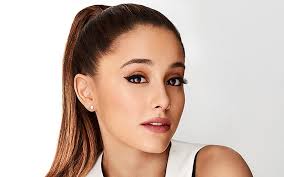
Globally, the purge was equally dramatic, with international celebrities such as Ariana Grande and Kylie Jenner also losing millions of followers overnight.

The development has triggered debate in Kenya over the authenticity of digital influence, with critics arguing that some creators may have inflated their numbers through artificial means to attract higher-paying brand deals.
Marketing professionals are now increasingly shifting focus toward engagement rates and audience authenticity rather than raw follower counts.
As the digital landscape evolves, Kenyan influencers face renewed pressure to rebuild trust and focus on genuine audience connection, marking a possible turning point in the country’s fast-growing creator economy.














Leave a comment